
A spreadsheet with 5,000 contacts can look like progress. A calendar filled with prospects who match your ICP, understand the reason for the conversation, and have a real business problem is progress. That distinction sits at the center of appointment setting versus lead generation – and it determines whether outbound activity becomes pipeline or simply creates reporting volume.
For B2B companies selling complex software, specialized services, or high-consideration solutions, the two functions must work together. But they are not interchangeable. Treat appointment setting as a commodity lead-list purchase, and your account executives inherit no-shows, poor-fit conversations, and a damaged view of outbound. Treat lead generation as an afterthought, and appointment setters run out of relevant people to engage.
Appointment Setting Versus Lead Generation: The Core Difference
Lead generation is the process of identifying and attracting potential buyers. In an outbound motion, that typically means defining the ideal customer profile, building account lists, finding the right contacts, validating data, researching triggers, and creating a targeted audience for outreach.
Appointment setting happens later in the motion. It is the work of turning a qualified prospect’s interest into a scheduled first conversation. That includes personalized outreach, objection handling, follow-up, qualification, calendar coordination, confirmation, and often no-show recovery.
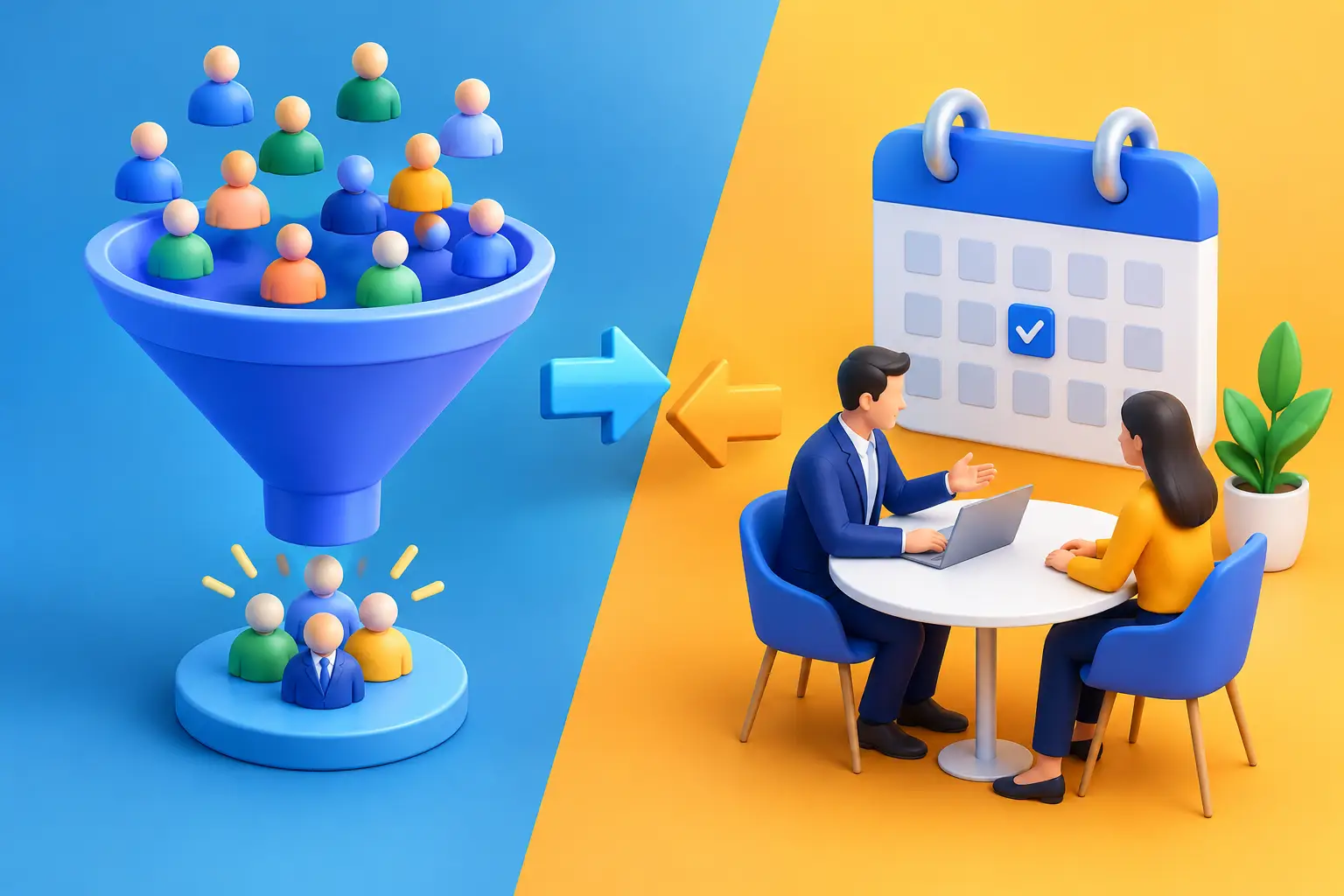
The cleanest way to frame it is this: lead generation creates a relevant market to pursue. Appointment setting creates a sales conversation from that market.
Both functions can be measured, but their metrics should not be confused. Lead generation is measured by account quality, contact accuracy, ICP coverage, and the relevance of the audience entering campaigns. Appointment setting is measured by qualified meetings held, show rate, opportunity conversion, sales acceptance, and pipeline created.
A vendor that promises thousands of leads may be delivering a list. A partner accountable for appointments should be able to explain why each meeting belongs on an AE’s calendar.
Why the Distinction Matters for Complex B2B Sales
In transactional sales, a broad audience and a simple booking flow may be enough. Complex B2B sales are different. Buying committees are larger, problem awareness varies, and the person who responds to an email may not be the person who owns budget or final approval.
That makes quality control essential at each stage. A lead may fit the title and company-size filters but still lack a relevant use case, a current initiative, or access to the decision process. It can be a valid prospect without being ready for a first meeting.
Appointment setters need enough commercial context to qualify interest without overstepping into discovery or closing. They should know the pain points the offer addresses, the disqualifiers that save the sales team time, and the signals that justify a conversation now rather than a generic nurture sequence.
This is where generic appointment-setting programs often break down. They optimize for booked demos, not sales-ready meetings. The result is activity that appears efficient at the top of the funnel but produces weak conversion after the handoff.
The Work Inside a Strong Lead Generation Program
Effective lead generation is not a data export. It is a targeting discipline that turns a total addressable market into an actionable, prioritized set of accounts.
A capable program starts with the ICP: firmographics, technology environment, operating model, buyer roles, likely pain points, and buying triggers. For a SaaS company, the trigger could be a new funding round, hiring within a relevant department, rapid expansion, or a change in its technology stack. For a specialized service provider, it may be market entry, regulatory pressure, a new executive hire, or an operational bottleneck.
The next step is account selection. Not every company that could buy should receive equal attention. High-value accounts deserve deeper research and more tailored messaging. Broader segments may support controlled testing, but they still need a credible reason to hear from you.
Contact selection matters just as much. Outbound teams should map the economic buyer, functional champion, technical evaluator, and likely internal influencer where appropriate. A single title-based list leaves too much to chance, especially when a deal requires cross-functional agreement.
Finally, the lead-generation function supplies intelligence back into the system. Which segment replies? Which roles convert to meetings? Which account characteristics correlate with opportunities? This feedback should change targeting decisions continuously, not wait for a quarterly strategy meeting.
What Professional Appointment Setting Actually Requires
Appointment setting is often misunderstood as sending a message with a calendar link. That approach works only when demand already exists and the buyer sees immediate relevance. Cold outbound requires more discipline.
First, messaging must earn a response. It should connect a specific prospect or account situation to a credible point of view about a problem worth addressing. Personalization is not inserting a first name or citing a recent post. It is showing that the outreach reflects the prospect’s role, priorities, and business context.
Second, follow-up does the heavy lifting. Senior buyers rarely respond on the first touch, and a lack of reply is not automatically a rejection. A coordinated sequence across email, LinkedIn, and cold calling creates more opportunities to reach the buyer in a channel they use. The sequence should remain persistent without becoming repetitive or careless.
Third, qualification protects the calendar. Before a meeting is booked, the setter should confirm basic fit: the company aligns with the ICP, the contact has a relevant role or influence, the problem is plausible, and the meeting expectation is clear. The standard does not need to be a fully qualified opportunity. It does need to be materially better than a person who clicked a link.
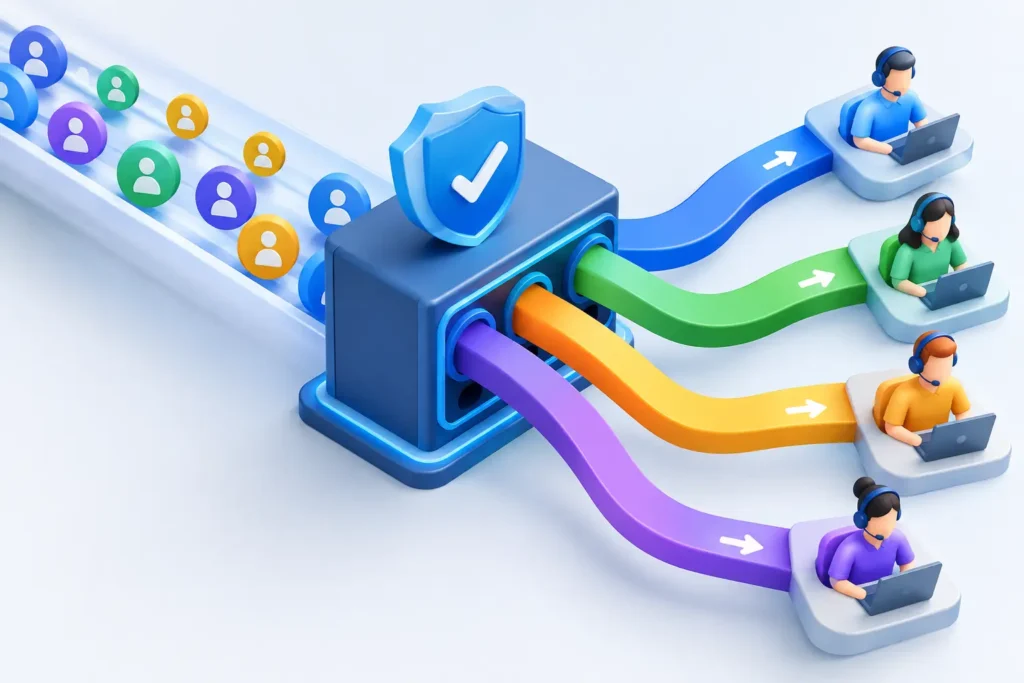
Fourth, the handoff must be operationally tight. The account executive needs the contact details, outreach history, research notes, stated interest, relevant context, and any objections surfaced. A meeting without context forces the seller to restart the conversation and signals disorganization to the prospect.
Where Teams Lose Pipeline Between the Two Functions
The most common failure is misaligned definitions. Marketing, BDRs, and sales may all use the word “qualified” differently. If the BDR team is paid on meetings booked while sales is measured on opportunities created, quality will erode unless both groups agree on the criteria that count.
Another problem is a weak feedback loop. Sales rejects meetings, but nobody documents why. Campaigns continue targeting the same segment, using the same message, and generating the same poor-fit conversations. Rejection reasons should be structured: wrong persona, no active need, insufficient company profile, competitor locked in, no authority, or unclear business case.
Capacity also matters. A strong lead-generation engine can create more interested conversations than a lean sales team can handle. In that case, the answer is not to lower standards or overbook calendars. It may mean narrowing the target account list, adjusting qualification thresholds, or sequencing campaigns around AE capacity.
How to Build One Accountable Outbound Motion
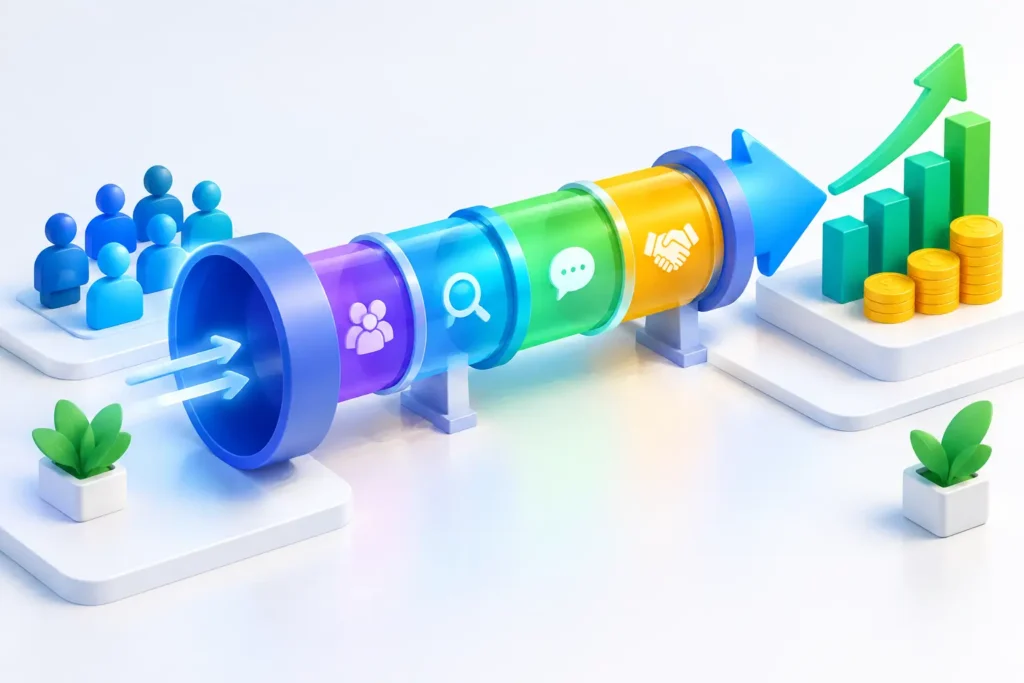
The highest-performing model treats lead generation and appointment setting as connected parts of one meeting-generation engine. Strategy informs prospecting. Prospecting informs messaging. Messaging creates conversations. Conversations improve qualification. Qualification and sales outcomes refine the strategy.
For lean go-to-market teams, that often requires more than one person with a prospecting tool. It requires BDR execution, data and workflow operations, sales enablement, campaign strategy, and leadership that can diagnose performance across the full funnel. That is why building an internal outbound function can become expensive and slow before it becomes productive.
Oppify operates this work as an embedded outbound team: identifying the right accounts, running personalized multichannel outreach, qualifying interest, and placing relevant first meetings directly on the sales calendar. The objective is not to create a larger lead report. It is to give closers more credible opportunities to advance.
When evaluating an internal program or an external provider, ask for evidence beyond contact volume and booked-meeting totals. You should be able to see the ICP definition, account-selection logic, channel activity, reply quality, meeting-held rate, sales acceptance rate, opportunity conversion, and pipeline contribution. Visibility makes accountability possible.
The Right Choice Depends on the Bottleneck
If your team lacks a defined market, clean contact data, or a clear view of who should buy, lead generation is the immediate bottleneck. Adding appointment-setting capacity before fixing targeting will only scale waste.
If your ICP is clear and your list is credible but prospects are not being engaged, followed up with, or converted into conversations, appointment setting is likely the constraint. A better list will not solve inconsistent execution.
Most growth-stage B2B companies need both, delivered as one coordinated system. The winning question is not whether to choose lead generation or appointment setting. It is whether every step between account selection and the first sales conversation is designed to produce a meeting worth having.
A full calendar is easy to manufacture. A calendar that gives your sales team a real chance to win is the standard worth building toward.