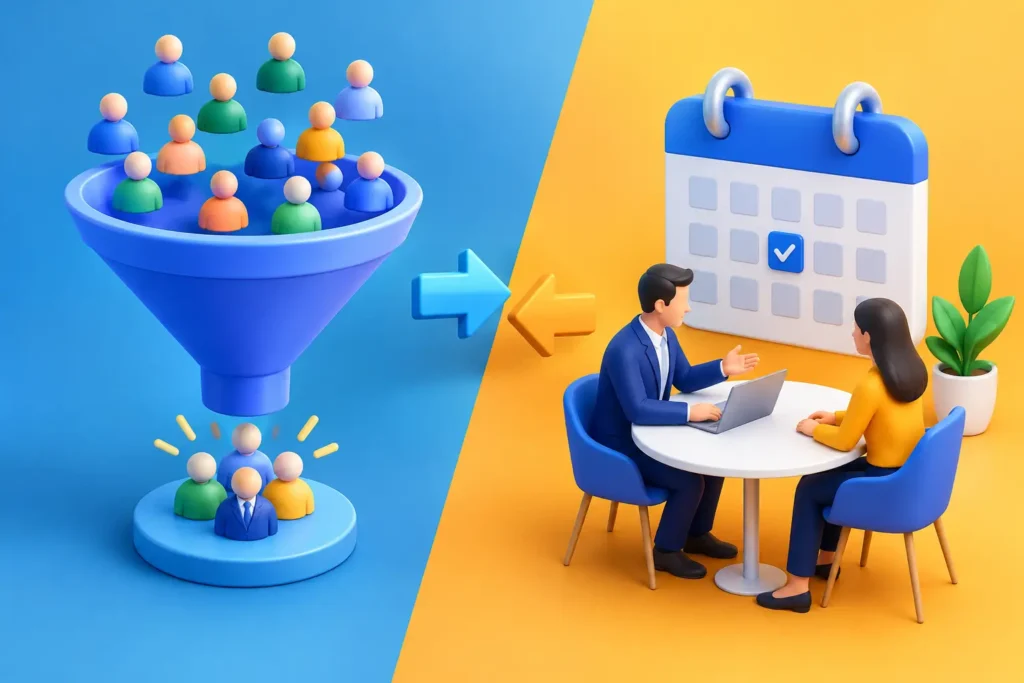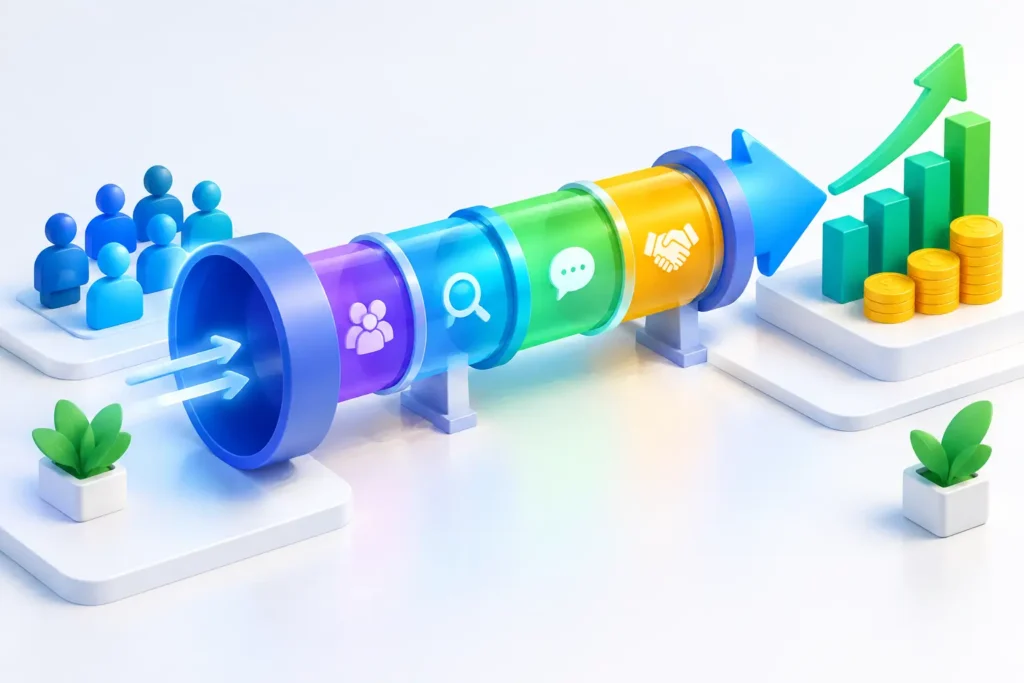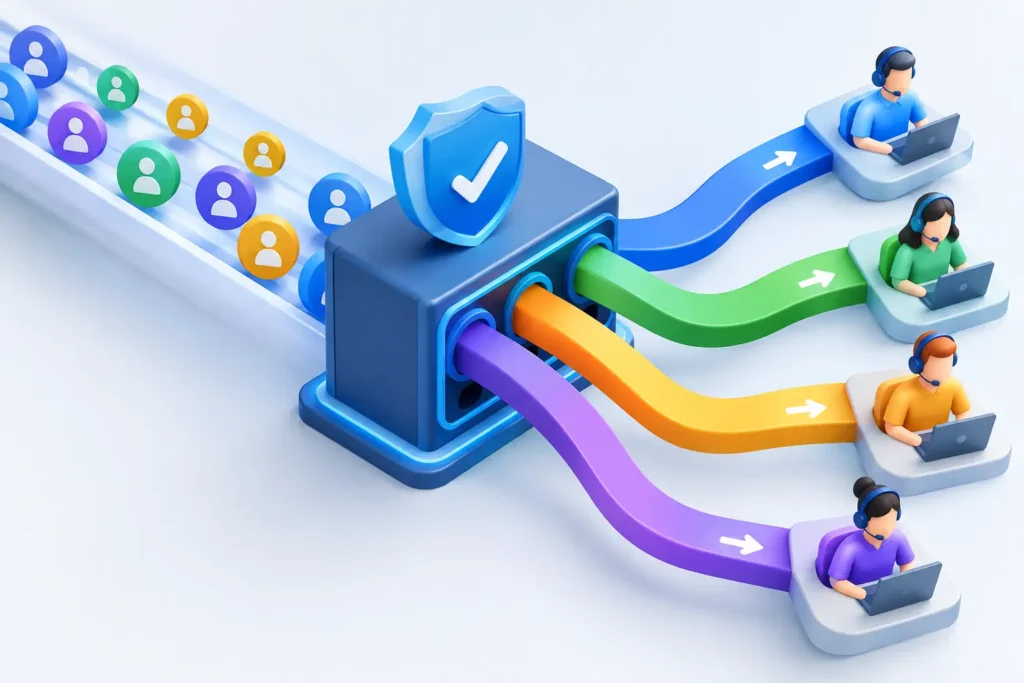

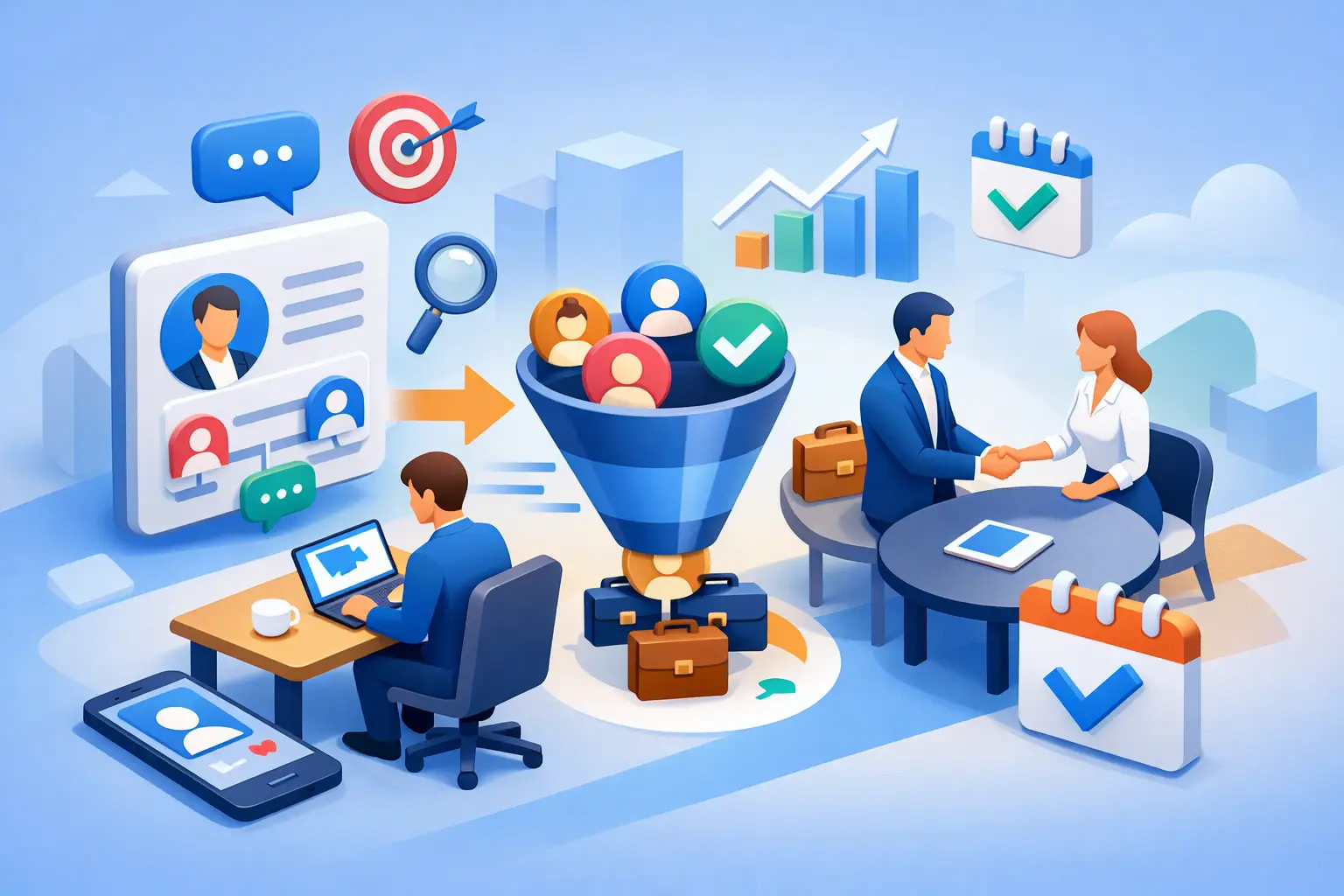
A connection request is not a pipeline strategy. For complex B2B sales, LinkedIn outreach works when it gives a well-chosen buyer a credible reason to start a conversation – then carries that conversation through disciplined qualification and follow-up.
That distinction matters for founders, CROs, and sales leaders who are being judged on pipeline quality, not accepted connection counts. A campaign can generate activity quickly while producing little commercial value. The objective is not to make your company more visible on LinkedIn. It is to create qualified first meetings with accounts that can buy, have a relevant problem, and fit the motion your sales team can close.
Why Most LinkedIn Outreach Produces Weak Results
Most poor-performing campaigns fail before the first message is written. They begin with a broad job-title search, an untested value proposition, and a volume target that rewards sending over learning. The result is familiar: generic invitations, vague pitches, low reply rates, and meetings with people who lack urgency or influence.
LinkedIn is especially unforgiving when the message signals that the sender has not done the work. Senior operators receive constant requests from vendors claiming to help them “scale,” “optimize,” or “drive growth.” Those phrases are easy to ignore because they do not demonstrate a point of view about the prospect’s business.
The other mistake is treating the platform as a standalone channel. LinkedIn can establish recognition and create an easier path to a response, but it rarely carries an enterprise or complex sale by itself. Prospects change channels. They read an email after seeing a profile view, respond to a call after accepting a connection, or engage after a useful follow-up arrives at the right moment. Strong outreach coordinates those touchpoints rather than asking one message to do all the work.
Start With Account Selection, Not a Sequence
The quality of an outbound program is constrained by its target accounts. Before launching outreach, define the operating conditions that make a customer likely to buy. That means more than industry, company size, and title. It includes business model, growth stage, technology environment, hiring patterns, market expansion, funding context, trigger events, and the commercial problem your offer solves.
For example, a SaaS company selling into mid-market finance teams may need a different account list than one selling to enterprise security leaders, even if both target companies have similar revenue. Their buying committees, risk tolerance, sales cycles, and reasons to engage will differ. A list built around superficial firmographics will blur those differences and force the messaging to become generic.
At Oppify, outbound work begins with collaboration around the ideal customer profile, account priorities, qualification criteria, and sales context. This is not administrative setup. It is the work that determines whether BDR activity creates conversations your account executives want to take.
A practical targeting model should answer three questions. Why is this account a fit? Why might the account care now? Which person is most likely to recognize the problem and move a conversation forward? If the team cannot answer those questions with reasonable confidence, the prospect is not ready for personalized outreach.
Build a Message Around a Specific Commercial Hypothesis
Personalization is not inserting a prospect’s name, company, and a recent post into a template. Buyers can recognize that pattern immediately. Useful personalization connects observable facts about the account to a plausible business issue and a relevant reason to talk.
A good first message is short because its purpose is modest. It should establish relevance, show that the sender understands the prospect’s role, and make a low-friction ask. It does not need to explain every feature, defend every claim, or force a calendar link into the first interaction.
Consider the difference between saying, “We help SaaS companies generate more leads,” and saying, “Noticed your team is expanding into the US market while hiring enterprise sellers. That combination often creates a pipeline coverage gap before the new reps are fully productive. We build an outbound function that targets and qualifies those accounts while your sellers focus on active opportunities.” The second approach has a commercial hypothesis. It may still be wrong, but it gives the buyer something real to accept, reject, or clarify.
The message must also reflect the offer’s actual strength. If your service is best for companies with long sales cycles and defined account lists, do not position it as a universal growth solution. Narrow positioning can reduce total responses while increasing the percentage of replies that become viable opportunities. For a lean revenue team, that is usually the better trade-off.
Match the Ask to Buyer Readiness
A cold prospect does not owe you a 30-minute demo. Ask for a brief conversation to compare notes on a specific issue, assess whether there is a gap worth addressing, or share a relevant observation. If the prospect responds with interest, move quickly to qualification and scheduling.
For warmer contacts – people who have engaged with company content, share a mutual connection, or have previously interacted with another channel – a direct meeting request may be appropriate. The point is not to follow a fixed script. It is to calibrate the request to the prospect’s demonstrated level of familiarity.
Use LinkedIn as Part of a Coordinated Outbound Motion
An effective campaign gives each channel a job. LinkedIn can create familiarity and context. Email can carry a more detailed perspective or proof point. Phone calls can surface objections, validate contact information, and create human urgency. The sequence should feel coordinated, not repetitive.
That does not mean sending the identical message across every channel. Repetition without added value feels automated. Instead, let each touch advance the conversation. A connection request might reference a relevant operating change. The email can explain the associated risk or opportunity. A call can ask whether that issue is a current priority. A follow-up can share a concise observation from similar companies.
Timing depends on the market and buyer. A founder at a 30-person company may engage quickly but need several internal discussions before scheduling. An enterprise executive may take weeks to respond, yet become highly qualified once engaged. Teams should avoid declaring a campaign unsuccessful after a few days of activity. Review results across enough touches and enough accounts to distinguish weak messaging from normal buying-cycle delay.
Follow-Up Is Where Credibility Is Earned
Many teams stop after one or two attempts because they do not want to appear persistent. That instinct is understandable, but it leaves opportunities on the table. Senior buyers are busy, and silence is often a timing issue rather than a rejection.
Effective follow-up is persistent without being repetitive. Each message should either add context, test a different hypothesis, introduce a relevant trigger, or close the loop professionally. If there is no new angle after several attempts, stop. Continuing to send variations of “just checking in” does not show discipline. It signals a lack of substance.
When a prospect does reply, speed matters. A delayed response can turn a live conversation into a cold lead. The BDR or outbound owner should acknowledge the reply, clarify the buyer’s situation, confirm basic qualification, and offer a clear next step. This is where a managed outbound function earns its value: research, outreach, response handling, and scheduling operate as one process rather than separate handoffs.
Measure Meetings, Quality, and Learning
Connection acceptance and reply rates are useful diagnostic metrics, but they are not the scorecard. A message can earn replies because it is provocative, broad, or poorly targeted. The better question is whether the campaign creates meetings that progress.
Track account coverage, delivered messages, positive replies, meetings booked, meeting-held rate, qualified opportunity rate, and pipeline influenced or created. Review those results by segment, persona, message angle, and campaign. This reveals where the motion is breaking down.
If connection rates are low, revisit targeting and profile credibility. If connections are accepted but messages are ignored, improve the opening hypothesis and call to action. If meetings book but fail qualification, tighten account criteria and pre-meeting discovery. If qualified meetings do not convert, the issue may sit in sales follow-up, positioning, pricing, or the product itself. Outbound reporting should expose that reality, not hide it behind vanity metrics.
The best LinkedIn outreach programs improve because they treat every campaign as a controlled learning loop. Keep what produces qualified conversations. Replace what produces noise. Give sales leadership clear visibility into activity, responses, objections, meetings, and next actions.
A buyer’s inbox and LinkedIn feed will never become less crowded. The advantage goes to teams that show up with a credible reason to engage, a disciplined process behind every touch, and the accountability to turn interest into a meeting worth taking.