
A thoughtful cold email can still fail before a prospect ever sees it. If your team is generating replies one week and landing in spam the next, the issue is rarely copy alone. This email deliverability guide explains the operating discipline behind reliable B2B inbox placement – so outbound can create meetings without damaging the sending infrastructure that supports it.
For lean GTM teams, deliverability is not an IT side project. It is a pipeline constraint. When a new campaign reaches fewer decision-makers, booked meetings fall, sales cycles slow, and the team often responds by sending more volume. That usually makes the problem worse.
What email deliverability actually measures
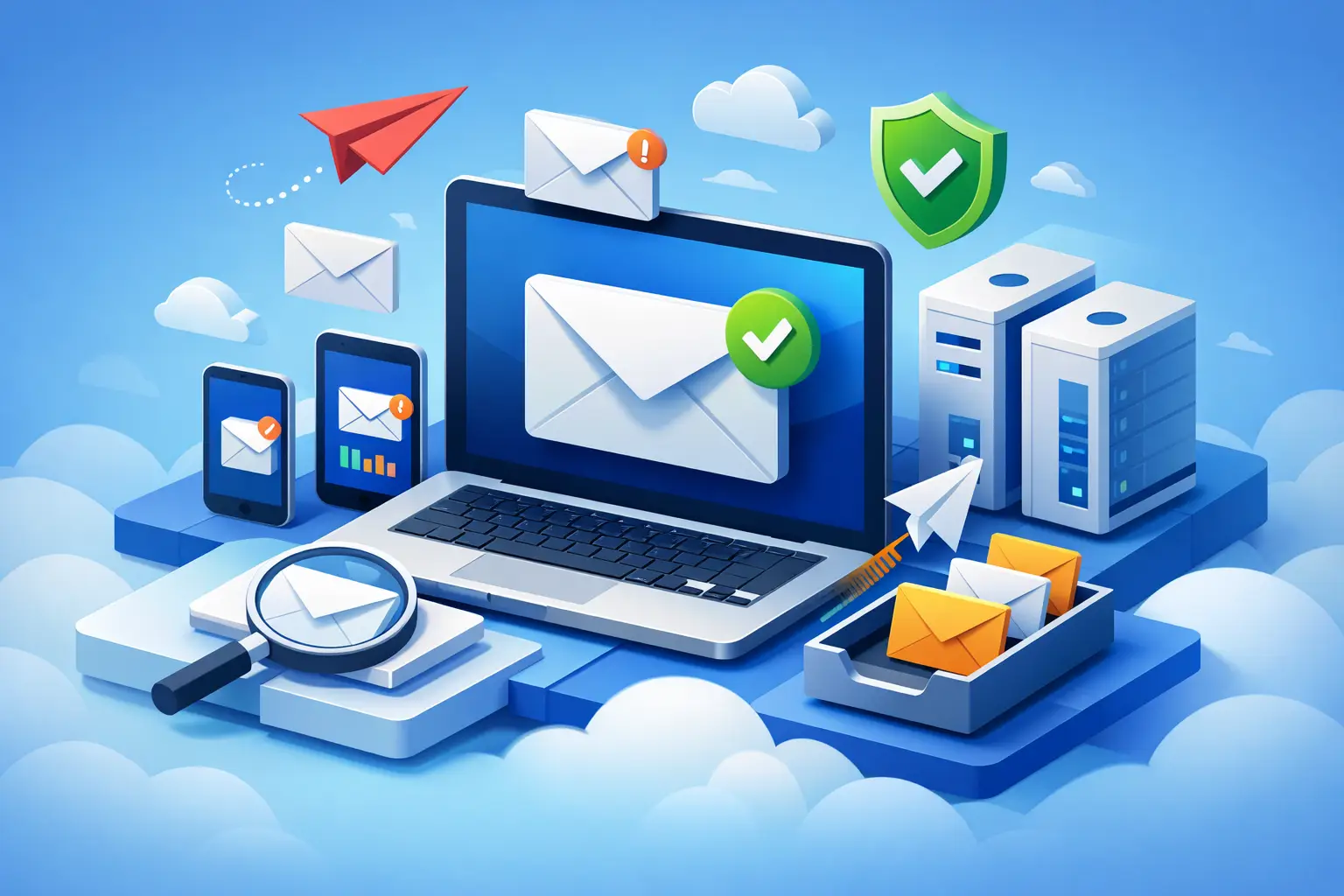
Deliverability is the likelihood that a message reaches the recipient’s inbox, rather than being rejected, quarantined, or routed to spam. It is different from delivery rate. An email can be technically delivered to a mailbox server and still be buried in spam, where it has little commercial value.
Mailbox providers assess many signals at once: domain reputation, sending history, authentication, recipient engagement, complaint rates, message content, and the consistency of your behavior over time. There is no single score to fix and no tool that can guarantee inbox placement. The job is to create a sending operation that gives providers consistent evidence that your messages are legitimate, relevant, and wanted.
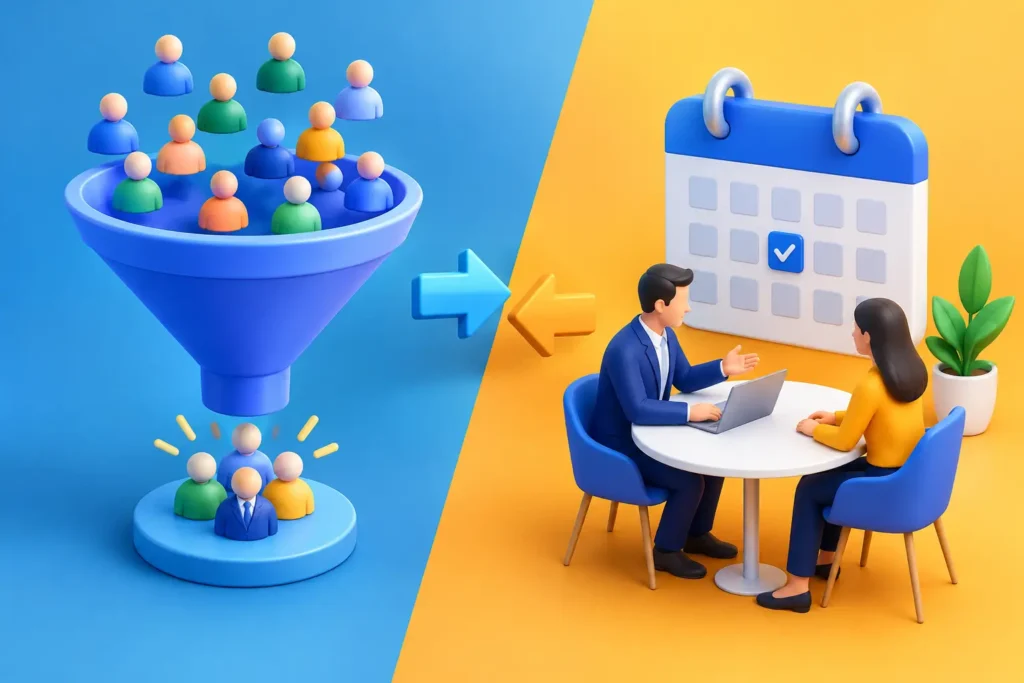
That distinction matters in complex B2B sales. You do not need to email millions of people. You need a controlled system that reaches the right accounts, earns replies from the right roles, and protects capacity for the next campaign.
Build the technical foundation before sending
Strong deliverability starts before the first prospect enters a sequence. Every sending domain should have SPF, DKIM, and DMARC configured correctly. SPF identifies the services allowed to send on behalf of a domain. DKIM adds a cryptographic signature that confirms the message was not altered in transit. DMARC tells receiving providers how to handle messages that fail authentication and gives you visibility into those failures.
Authentication only works when it is properly aligned. A common mistake is treating a green checkmark in a setup tool as proof that everything is complete. Your visible From address, DKIM signing domain, and return path should be reviewed as a system. Small configuration errors can create avoidable distrust with mailbox providers.
For outbound at scale, use dedicated sending domains or carefully selected secondary domains rather than placing all cold-email activity on the primary corporate domain. This separates prospecting risk from core business communications such as customer support, invoices, and executive correspondence. The trade-off is administrative overhead: each domain needs authentication, mailboxes, monitoring, and clear ownership. That overhead is far cheaper than disrupting the domain your company depends on every day.
Do not create lookalike domains designed to confuse recipients. Use domains that are clearly connected to your company and professionally branded. Trust is a commercial asset, not a technical workaround.
Reputation is earned through controlled behavior
New domains and mailboxes have limited sending history. They need time and consistent engagement to establish credibility. Many teams call this warming, but warming is not a license to automate a flood of emails after two weeks. It is a gradual transition into normal, human-like business communication.
Start with low volumes and increase only when the signals support it. The right daily volume depends on mailbox age, domain history, list quality, campaign relevance, and the providers you are sending to. A mature mailbox with a strong positive history can sustain more activity than a new mailbox, but neither should be pushed until engagement deteriorates.
Watch the indicators that show whether your operation is healthy:
- Hard bounces, which often point to poor data quality or invalid addresses
- Spam complaints, which signal a relevance or expectation problem
- Reply quality, including positive replies and credible objections
- Open and click patterns, interpreted cautiously because privacy features distort both
- Sudden provider-specific drops, especially from Microsoft or Google mailboxes
Do not use open rate as the primary health metric. Apple Mail Privacy Protection and other privacy controls make opens unreliable. Replies, bounce rates, complaints, and booked-meeting quality tell a more useful story.
List quality protects inbox placement
Deliverability and targeting are inseparable. A technically perfect campaign will still underperform if it is sent to outdated contacts, weak-fit accounts, or people with no reason to care. Poor targeting creates low engagement. Low engagement weakens reputation. Then even your best campaigns suffer.
Build lists from a defined ICP, not a broad job-title search. Confirm company size, industry, geography, current technology, growth signals, and likely buying triggers. At the contact level, verify role relevance and whether the person can influence the problem you solve. A VP of Sales at a 40-person SaaS company has a different context than the same title at a global enterprise.
Validate email addresses before they enter a sequence, but recognize that validation is not perfect. Some addresses are technically valid but inactive, protected by aggressive filters, or tied to catch-all domains. Keep suppression lists current, immediately remove hard bounces and opt-outs, and do not recycle contacts who have repeatedly shown no engagement across multiple campaigns.
The most efficient outbound teams are selective. They would rather send fewer high-context messages to qualified accounts than inflate activity reports with thousands of low-probability sends.
Write for relevance, not filter evasion
Spam-trigger word lists are a distraction. Modern filtering systems evaluate patterns, reputation, and recipient behavior more than isolated words. Replacing “free” with “fr*e” or stuffing copy with strange punctuation does not make a weak email more deliverable. It can make it less credible.
A better approach is straightforward: write like a real person with a legitimate reason to contact a specific prospect. Use a recognizable sender name, a clear company identity, a specific observation, and a low-friction reason to respond. Keep the message concise enough that a busy executive can understand it on a phone.
Personalization should be earned. Mentioning a recent funding round or a LinkedIn post can help when it connects directly to the business case. Random facts about a prospect’s background signal automation and undermine trust. The goal is not to prove that you found information. The goal is to show why the conversation may be relevant now.
Avoid heavy HTML, oversized images, excessive links, attachments in first-touch outreach, and overly promotional formatting. Plain-text or lightly formatted emails often fit B2B prospecting because they resemble normal one-to-one business communication. That does not mean every email must look identical. It means the format should support clarity, not distract from it.
Treat follow-up as a reputation decision
Most qualified prospects do not reply to the first email. Follow-up is necessary, but every additional touch should add a reason to engage. Repeating the same request four times is not persistence. It is a fast way to create negative signals.
Use a sequence that changes the angle: a relevant business problem, a proof point, a question about priority, or a clean close-the-loop message. Space touches based on your audience and sales motion. Enterprise buyers with long planning cycles may require patient, multichannel follow-up. A highly transactional offer may need a shorter window. There is no universal sequence length.
Multichannel outreach also reduces pressure on email. A coordinated mix of cold calling, LinkedIn activity, and email gives prospects several ways to evaluate your credibility and respond in the channel they prefer. It also prevents your team from treating email volume as the only lever for creating pipeline.
Create an operating cadence for deliverability
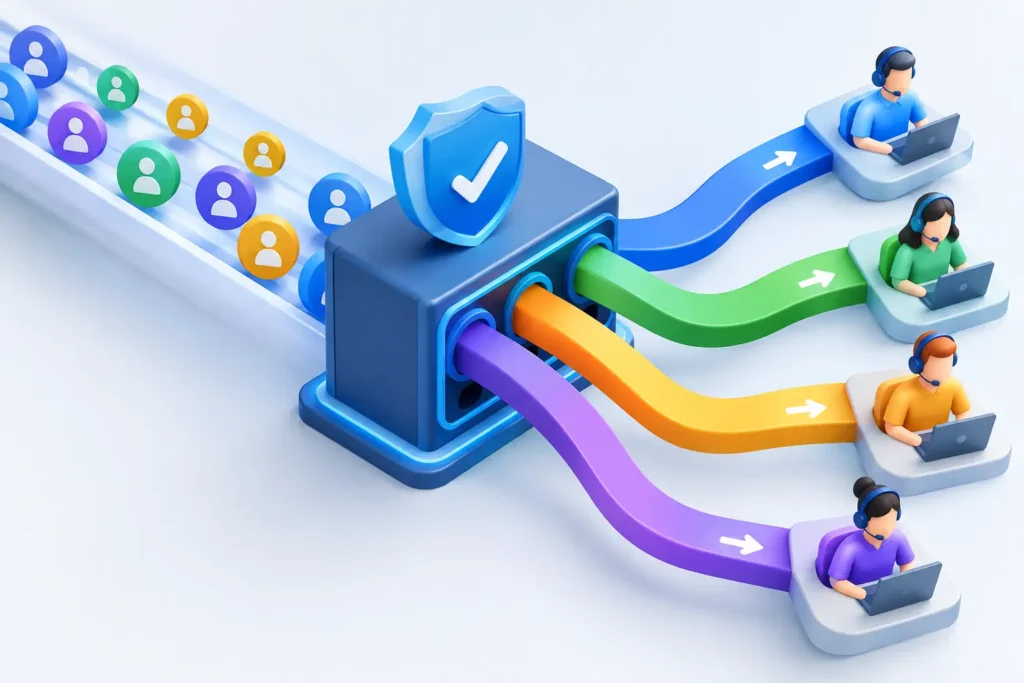
Deliverability improves when someone owns it. That person does not need to be a full-time email administrator, but they need authority to pause campaigns, adjust volume, investigate anomalies, and enforce list standards. Without ownership, teams often discover a reputation issue only after meeting volume collapses.
Review sending performance weekly and investigate changes by domain, mailbox, campaign, audience segment, and recipient provider. If one campaign produces elevated bounces or negative replies, pause it before it damages the broader program. If a mailbox shows a sustained decline in engagement, reduce activity and diagnose the cause rather than forcing it to hit quota.
This is where an embedded outbound function earns its value. Deliverability is connected to GTM engineering, prospect research, messaging, BDR execution, and reporting. Treating each function separately creates gaps. Oppify operates these components as one meeting-generation system, because inbox placement only matters when it produces qualified conversations your sales team can close.
Your outbound program should make it easier for the right buyer to recognize a relevant opportunity, not harder for them to manage another unwanted email. Protect that standard, and deliverability becomes a durable advantage rather than a recurring fire drill.